


👋 Hi, I’m James. I write Building Momentum to help you accelerate B2B SaaS growth through product marketing, GTM strategy, sales, and marketing.
Below is the first I gave on product marketing back in 2019 (I think), on how to scale product marketing.
I’m expecting 2026 to be the year where product marketing really comes into its own - storytelling, brand, meaning, and execution.
Whether you’re new to the PMM role or leading a team, I think it’s important to build a strong perspective on why product marketing needs to scale for impact and change… and not just to deal with a bigger workload.
I’ve included the slides and some lightly-edited speaker notes. I think they’re self-explanatory, but drop me a comment on this post if you’d like me to expand on anything!
Sponsored by me
The jump from tactical PMM to strategic operator is not about seniority. It’s about knowing how the whole system fits together.
GTM Playbook is the course I built to teach exactly that — GTM strategy, positioning, messaging, launches, and sales enablement in one coherent system. For PMMs who want to stop executing other people’s plans and start building their own.
Take a look: gtmplaybook.co
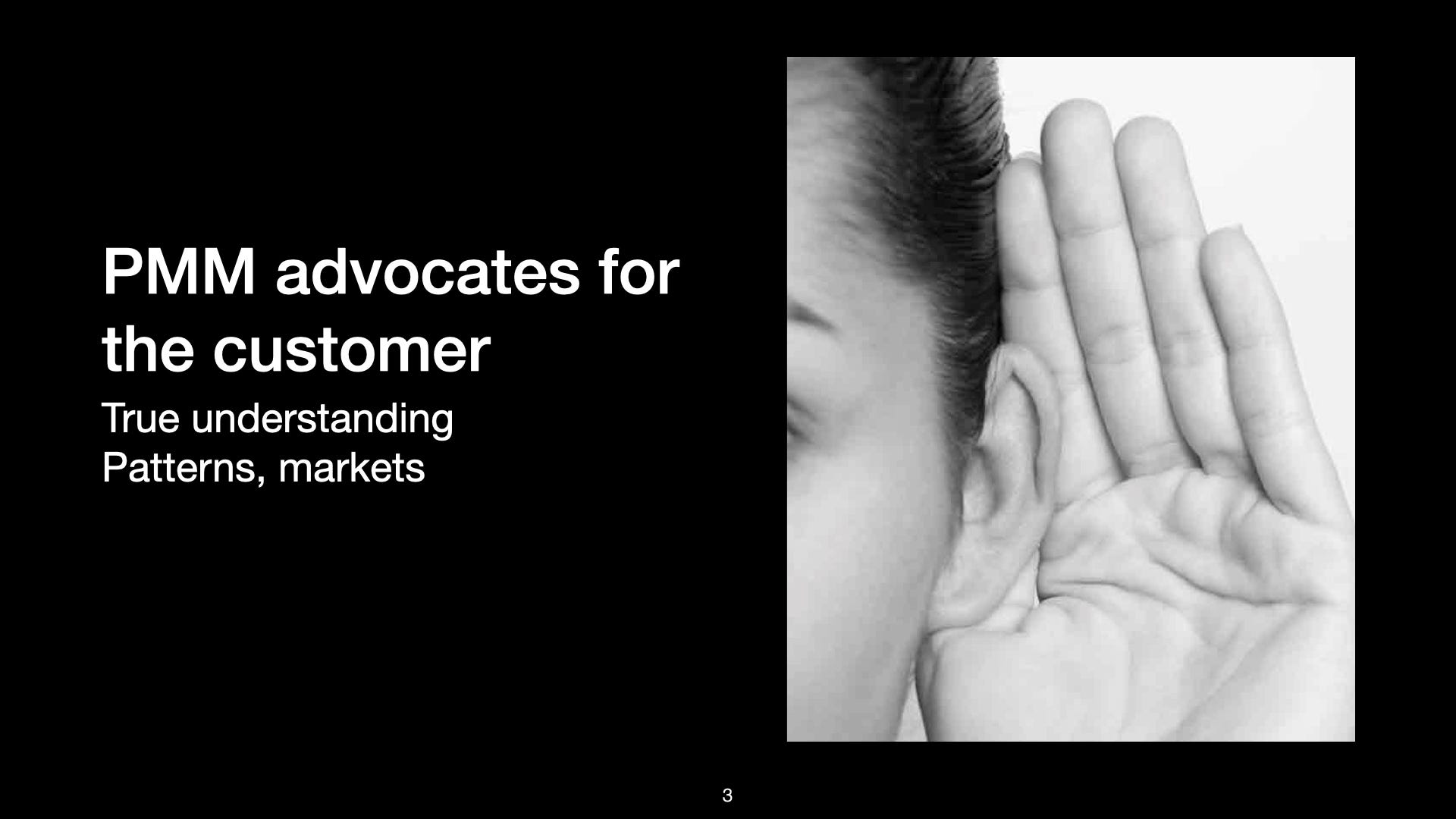
3. PMM advocates for the customer
no other team has such as true understanding of the customer as we do
what makes us important?
‘the customer’ = patterns, trends, segments, groups, markets
we care about what works repeatably, at scale
mindset + insights = value
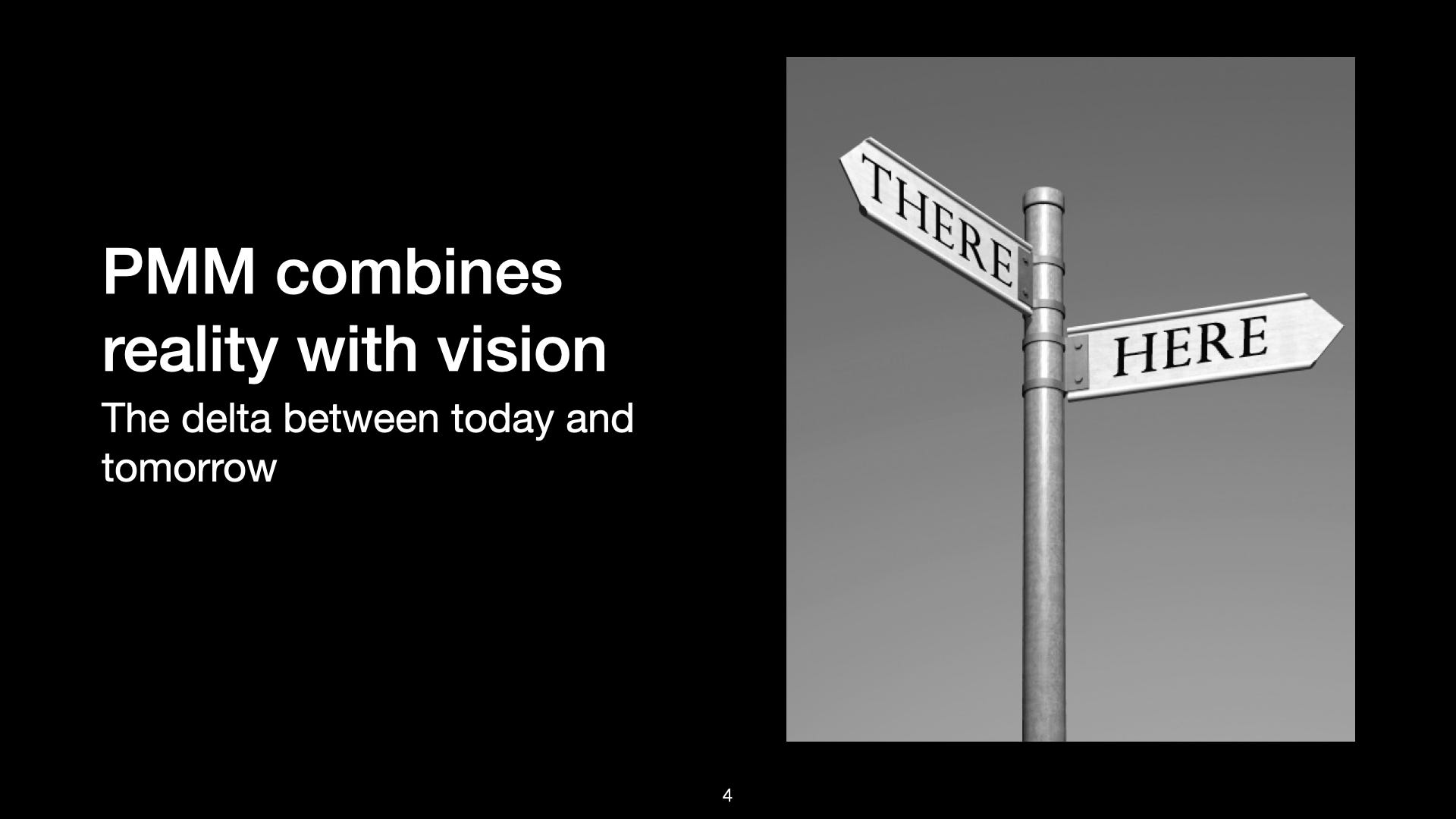
4. PMM combines vision with reality
we love vision: where we go, what we want to do, what the world should look like
but not at the expense of reality
recognize confines in which we operate
be realistic to know what we can do, but don't be restricted by it
innate capability for problem solving
PLUS curiosity for what is possible
PLUS pragmatic outlook = unique skillset
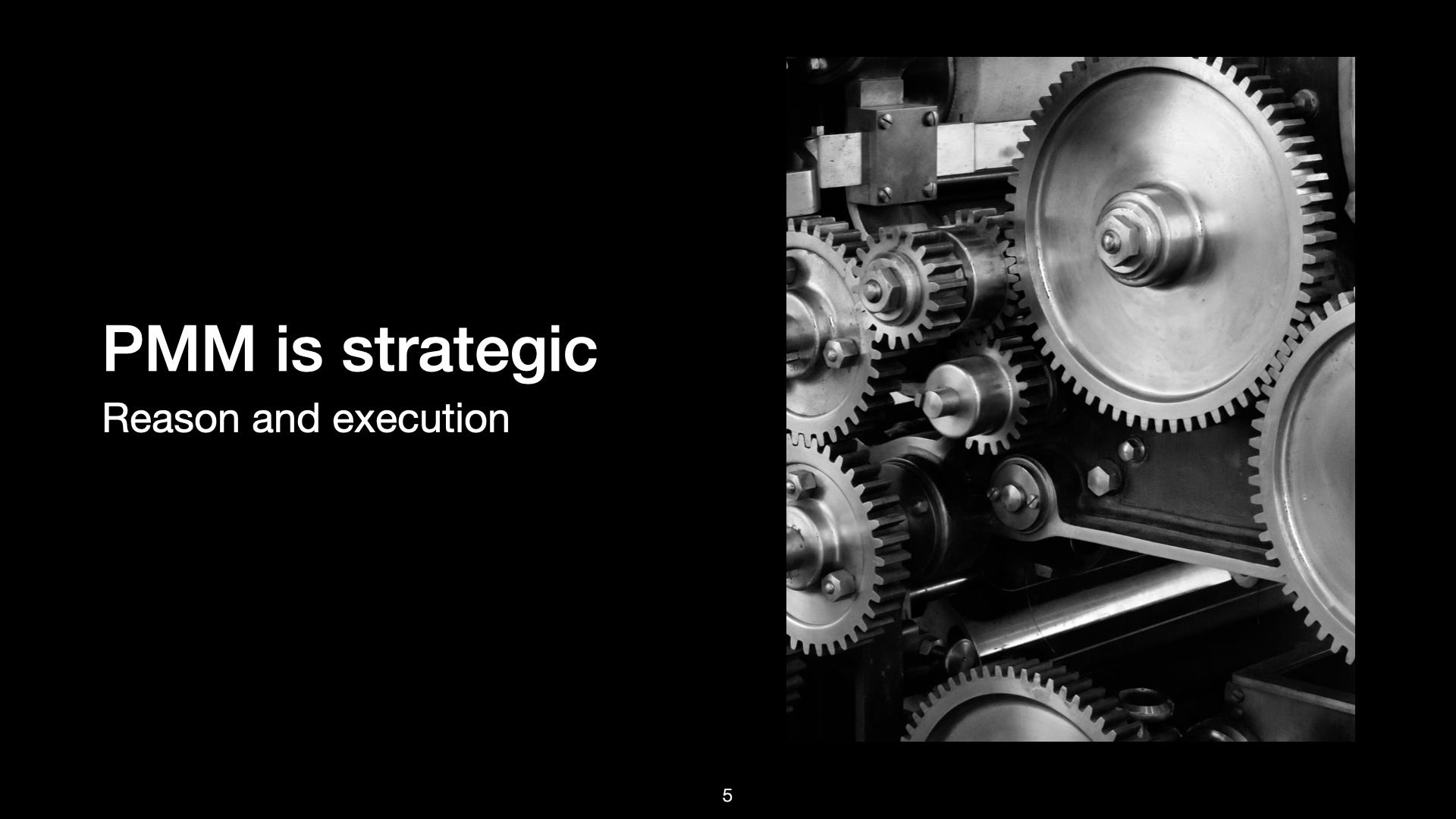
5. PMM is strategic
we are strategic by design
not execution (steps to make something happen)
strategy = the plan of action to achieve an outcome
we zoom in, zoom out both more AND better than other teams
decisions we make have to work at 30,000 feet, 15,000 feet, 5,000 feet, AND on the ground

7. Scale for impact
don't scale just because there's more work.
could we have hired someone recently? yes.
decided not to. would have lightened load, but not incremental value
need to accept: extra resources without a plan doesn't make things easier

8. Scale for change
PMM should scale when things are changing
new product launches, repositioning, pivots
PMM is a 10x multiplier on business
PMM is change management on steroids
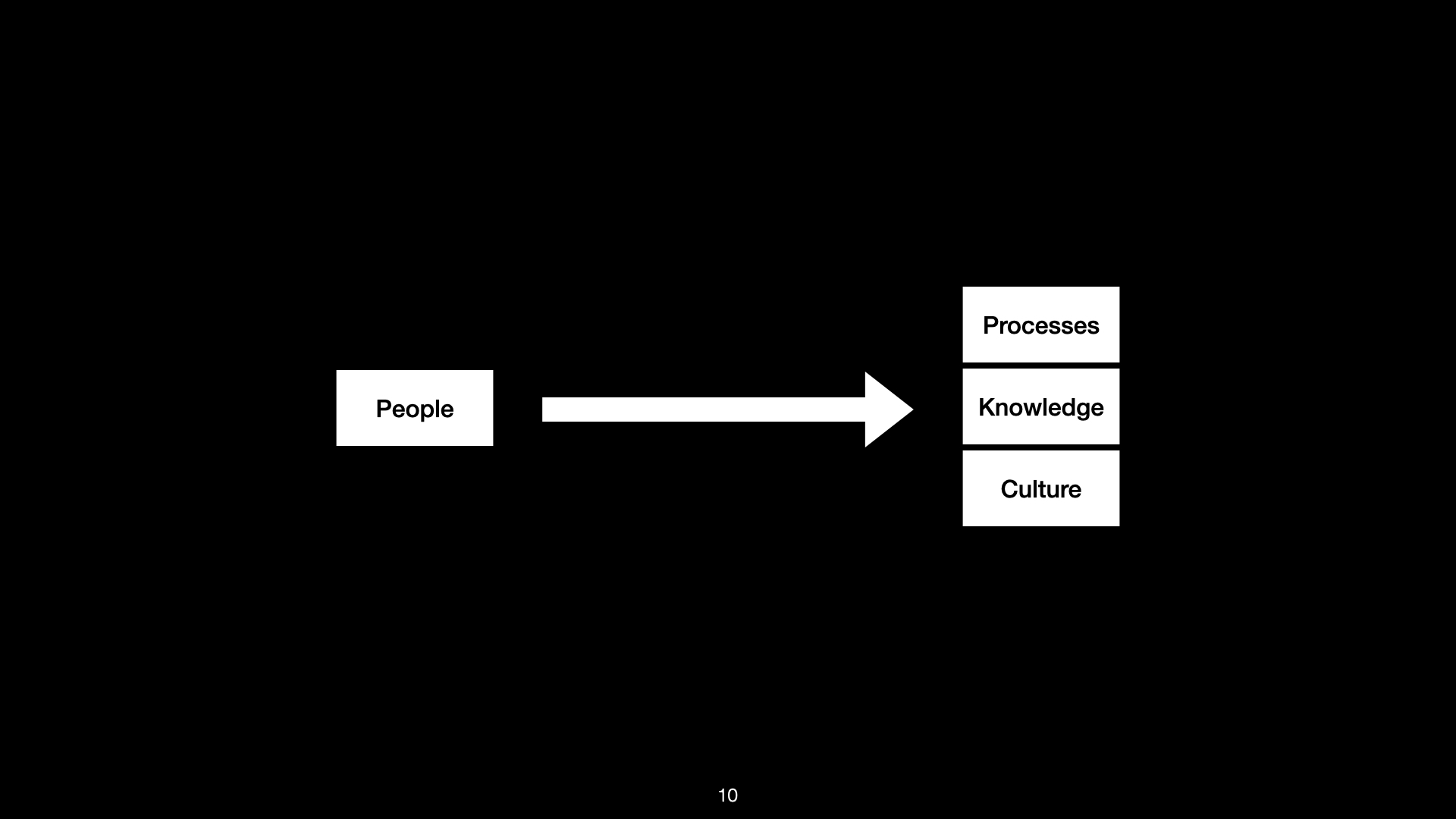
10. People -> Processes, Knowledge, Culture
scaling any human-powered process is relying less on people and individuals,
move to reliable processes, shared knowledge, and team culture.
Paddle example:
Processes: Double Diamond to diverge/converge on problems + solutions
Knowledge: Documenting decisions
Culture = ongoing conversation of PMM principles

11. Ambiguity
Natural tension for PMM + how we work with rest of business
“If you want people to build a ship, you don’t give instruct them to nail planks of wood to a frame. Instead, you teach them to yearn for the vast, endless sea.”
As product marketers, we should strive to get clarity on vision
Ambiguity on ‘the why’ is non-negotiable
Ambiguity on what you’ll do, and how you’ll get there is much more acceptable.
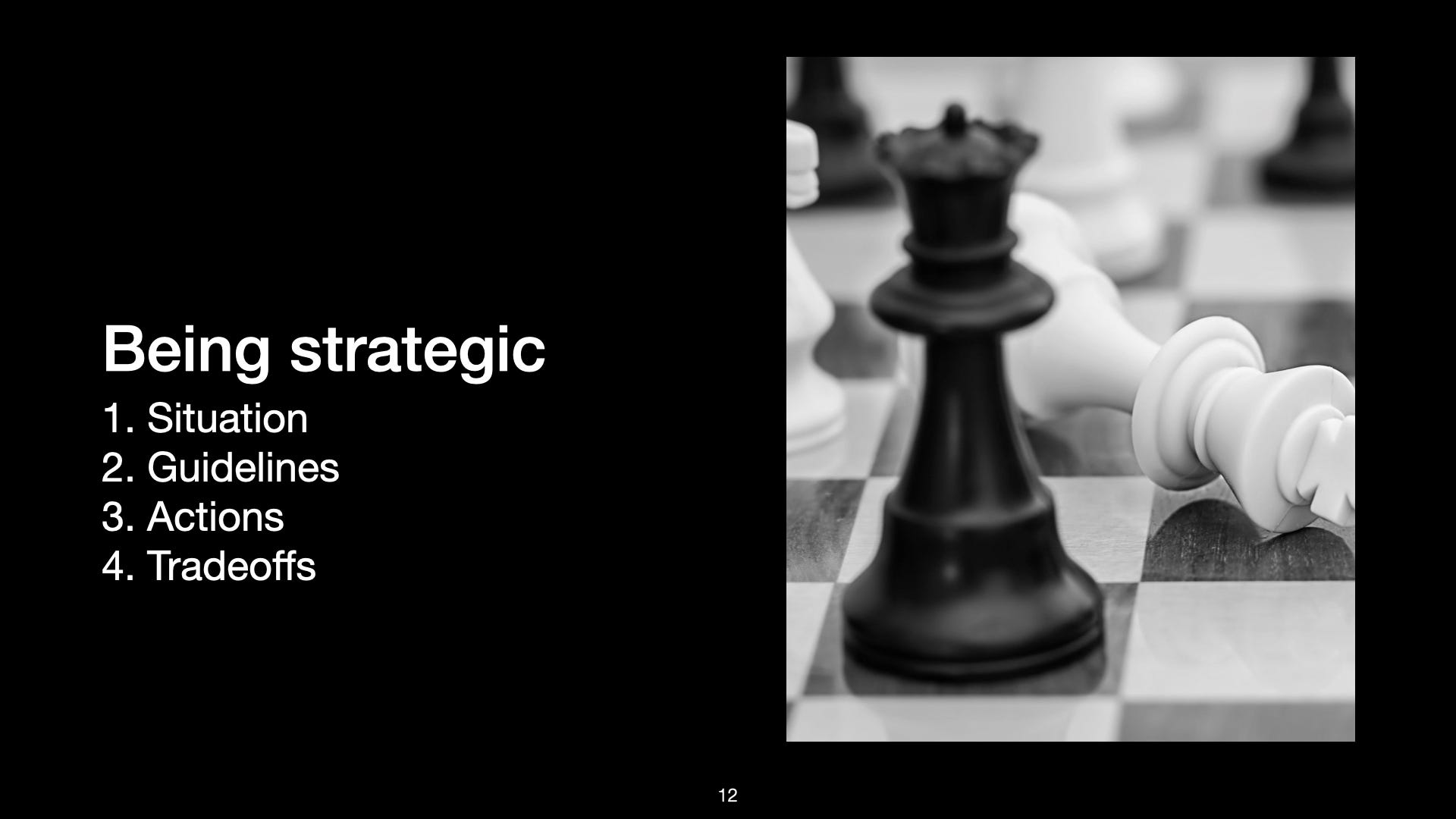
12. Being strategic
Situation: what you’ve learnt, where you’ve been, and where you think the future is.
Policies that you use to be ruthless in prioritization, to give extra clarity.
Aligned actions, how you’ll walk the walk.
Tradeoffs: How do decisions affect other decisions?

14. Alignment
relationships - emotional AND logical alignment
responsibilities - buy-in on what PMM is/does

15. Hiring
skills + mindset - can test and review
values - do they believe in doing the right thing? advocate for customers?
16. Structure and metrics
always first questions - how do we structure PMM, how do we measure it?
answer to both depends on PMM journey + company maturity
first PMM? dig into macro metrics, integrate PMM into existing teams
mature biz? track micro-metrics + define PMM boundaries
what are you trying to prove / disprove?
impact of PMM OR each PMM is worth the salary?
grand scheme of things, doesn’t matter?
iterate. failed? try something else.

17. Final points
1. PMM is positioned to be strategic
to do so, elevate the problem: test top-level assumptions
identify what changes, and what stays the same
2. build shared understanding
education + enablement isn’t enough
two-way: feedback and listening
3. find balance
Paddle: adventurous VS pragmatic
Kayako: what was right for customers VS what was right for the business
answer to ‘how to scale PMM’ lies here: what are the 2 main contrasting elements you’re managing?
e.g. sales and success? acq and retention? product and marketing?
where are similiarties, tradeoffs, opportunities?
WHEN THAT IS CLEAR, SCALING PRODUCT MARKETING TO BRING ABOUT REAL CHANGE AND HAVE REAL IMPACT BECOMES MUCH EASIER